
How Lockout Tagout Reduces Equipment-Related Injuries and Downtime
Industrial facilities depend on heavy machinery to keep operations running smoothly. However, when equipment is serviced without proper safety controls, the risk of injury and unplanned downtime increases significantly. Lockout tagout plays a critical role in preventing these issues by controlling hazardous energy and creating a safer maintenance environment.
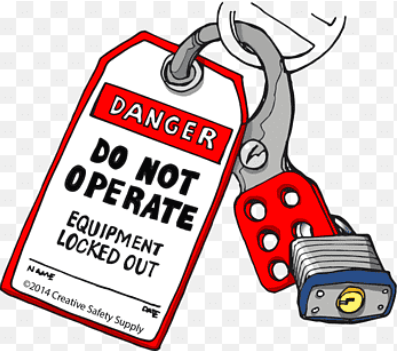
How LOTO Lowers Injuries and Downtime
When used correctly, Lockout Tagout (LOTO) protects workers while also improving overall productivity.
Preventing Unexpected Equipment Startups
One of the primary ways lockout tagout reduces injuries is by preventing unexpected machine startups. Equipment can activate suddenly due to stored electrical, hydraulic, or mechanical energy. Without lockout tagout, these sudden movements can cause serious harm. By isolating and locking energy sources, workers gain assurance that machines will remain in a safe state. As a result, maintenance tasks can proceed without fear of sudden activation.
Reducing the Risk of Severe Workplace Injuries
Lockout tagout directly addresses some of the most dangerous equipment-related injuries. Amputations, crushing injuries, and burns often occur when energy is not fully controlled. When workers follow proper lockout tagout procedures, they actively eliminate these hazards. Furthermore, consistent use of lockout tagout encourages employees to think critically about safety before beginning any task, which further reduces injury risks.
Creating More Efficient Maintenance Processes
In addition to improving safety, lockout tagout helps streamline maintenance activities. When procedures are clearly defined, workers spend less time guessing which steps to follow. This clarity reduces confusion and speeds up repairs. Moreover, technicians can focus on the task at hand rather than worrying about safety uncertainties. Over time, this efficiency leads to faster turnaround and more reliable equipment performance.
Minimizing Equipment Damage and Repair Costs
Unexpected startups do not only injure workers; they can also damage machinery. Sudden movements during maintenance can misalign components or cause mechanical failures. Lockout tagout prevents these incidents by ensuring machines remain completely de-energized. Consequently, equipment lasts longer, repair costs decrease, and production interruptions become less frequent. This preventive approach saves both time and money.
Supporting a Strong Safety and Productivity Culture
Lockout tagout contributes to a workplace culture that values both safety and productivity. When management enforces proper procedures, employees feel supported and protected. This trust encourages workers to follow rules consistently and report potential hazards. As safety habits improve, downtime caused by accidents and investigations declines. In turn, productivity rises because operations face fewer disruptions.
Conclusion: How LOTO Lowers Injuries and Downtime
Lockout tagout reduces equipment-related injuries and downtime by controlling hazardous energy and promoting safe maintenance practices. By preventing unexpected startups, minimizing severe injuries, improving maintenance efficiency, and protecting equipment, lockout tagout delivers clear benefits. When organizations commit to proper lockout tagout programs, they create safer workplaces and more reliable operations, allowing both people and equipment to perform at their best.
Recent Comments